

Have you ever felt like your wallet is way too thick even though it’s only filled with small change? Or maybe you’re currently complaining because currency exchange rates are fluctuating? Wait until you hear about the history of unique money from various corners of the globe.
In the past, people didn’t just use paper or metal. Some transactions involved giant stones or even pieces of wood. Curious? Let’s take a quick time travel to see how creative humans were in the past (and present) when determining a medium of exchange!
1. Unique Money – Rai Stones: Money That’s Heavier Than Sins!
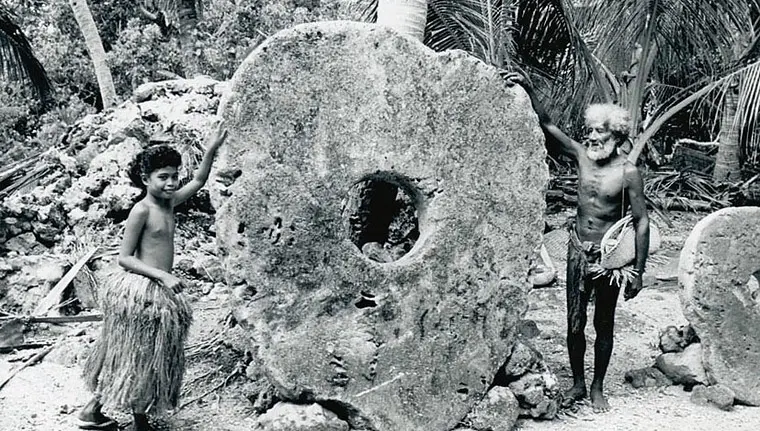
On Yap Island, Micronesia, they have the true definition of “heavy money.” This unique money is called Rai Stones. Imagine a giant limestone disk with a hole in the middle, with diameters reaching up to 4 meters!
- How to Transact: You don’t need to bring this stone to the cashier (it would wreck the shop!). A verbal agreement that the ownership of the stone has changed hands is enough.
- Fun Fact: Even if the stone falls to the bottom of the sea during transport, its value is still considered valid as long as everyone agrees the stone is there. It’s truly the definition of “trust issues” solved perfectly!
2. Unique Money – Canadian Wooden Bill: When Money Grows on Trees
Ever heard the phrase “Money doesn’t grow on trees”? Well, in 1930s Canada, that proverb didn’t apply. During a metal shortage caused by the economic depression, a town called Tenino issued money made of thin wood.
This is an example of unique money born from creativity in the middle of a crisis. Although only temporary, this wooden money once served as a local economic lifesaver. Imagine if we still used wood today, perhaps we’d be more diligent about reforestation than crypto trading, right?
Read also: 5 Most Unique Coins in the World: Do You Own One?
3. Squirrel Pelts: Paying with Squirrel Skins?
In medieval Russia, squirrel pelts were a very valuable currency. In fact, parts of the squirrel’s body like ears and claws were also used as “change” or small denominations.
Why does this fall into the category of smart unique money? Because squirrel pelts are durable, easy to carry, and have intrinsic value for warm clothing. The dark side? Well, poor squirrels. Fortunately, Russia has now switched to the Ruble, which is much more animal-friendly.
4. Unique Money – Katanga Crosses: Copper Crosses from Congo
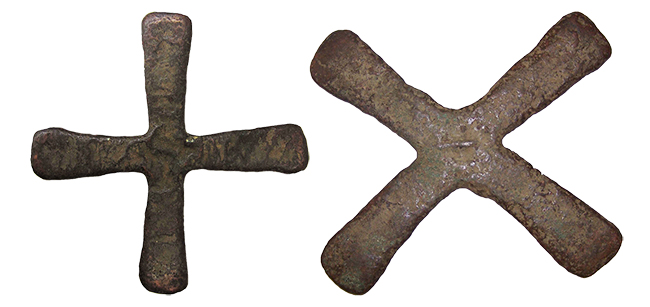
Long before there were boring round coins, people in the Katanga region (now part of the Democratic Republic of the Congo) used large copper crosses as a medium of exchange.
One of these copper crosses could be exchanged for about 10 kg of flour or several chickens. Its unique shape made it easy to recognize and difficult to forge. Smart branding, isn’t it?
5. Notgeld: Aesthetic Emergency Money
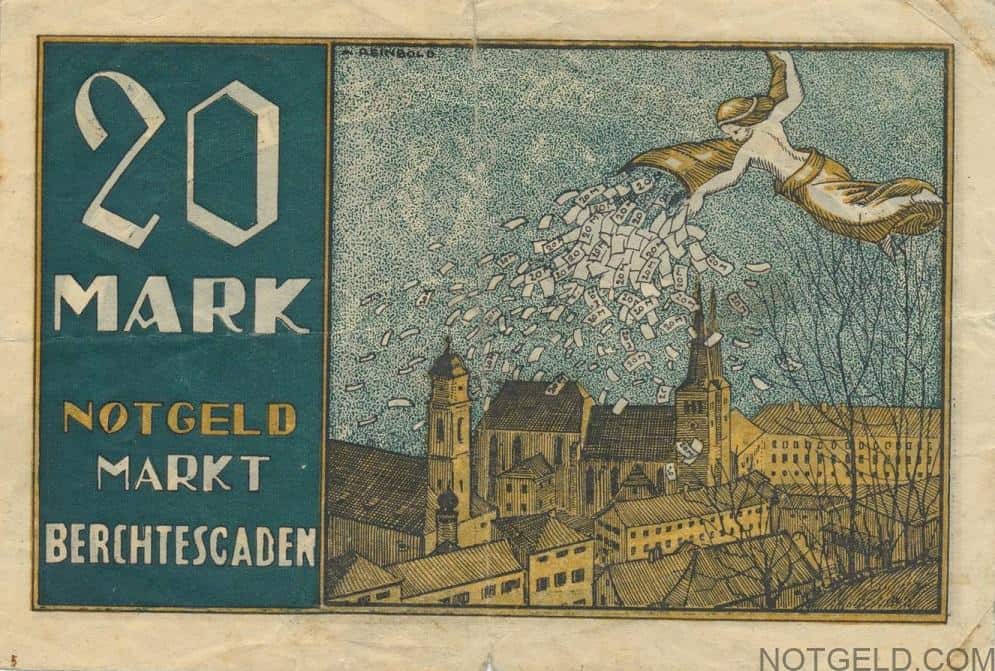
After World War I, Germany experienced severe hyperinflation. Official banknotes lost their value so quickly. As a result, local governments printed Notgeld or “Emergency Money.”
The media used? Whatever was available! Ranging from silk and ceramics to aluminum foil. Because of their highly artistic designs, many collectors look for this unique money not for shopping, but to be displayed.
Why Should We Care About Unique Money?
Studying unique money gives us the perspective that the value of a currency is actually just a matter of “trust” and “mutual agreement.” Whether it’s a giant stone or a digital balance on your phone screen, the function remains the same: as a bridge to get what we need. This unique currency, of course, also has stories, character, and value that are timeless.
|
Type of Money |
Location | Material |
Uniqueness |
| Rai Stones | Yap Island | Limestone | Giant size, transactions via verbal agreement. |
| Wooden Bill | Canada | Wood | A smart solution during a metal crisis. |
| Squirrel Pelts | Russia | Animal Fur | Used down to the ears/claws. |
| Katanga Cross | Congo | Copper | Cross-shaped, a symbol of status and wealth. |
| Notgeld | Germany | Ceramic/Silk | Emergency money with highly artistic designs. |
Now Check Your Money Collection, There Might Be Some Unique Money Tucked Away!
The world of finance is apparently not as rigid as we thought. From immovable stones to animal skins, the history of unique money proves that human creativity knows no bounds when it comes to making a profit.
Now, whatever the uniqueness of the money, for easy, trusted foreign exchange transactions with competitive rates, leave it to PAM Money Changer – Money Changer Kuta!
PAM Money Changer is a Money Exchange Kuta that has been established as a licensed PVA (Foreign Currency Exchange) since 2003. PAM Money Changer as a Money Changer Kuta, Bali guarantees trusted, transparent exchange rate credibility, and of course, competitive rates with no hidden fees.
Don’t forget, before deciding to exchange money, make sure you always monitor our latest rates. All exchange rates can be monitored anytime and anywhere up-to-date, live on our official website.
Easy, right? Always remember Money Changer Bali: PAM Money Changer as your best partner for currency exchange needs! So, if your wallet feels light later, remember the people on Yap Island who had to “move” a 4-ton stone just to buy land. Suddenly, the paper money in your pocket feels much more practical, doesn’t it?
Read also:


