


Have you ever accidentally washed your jeans, then panicked like crazy when you realized there were banknotes in the pocket? When you pulled them out, hey, the money was still intact maybe a bit damp, but not falling apart. Well, if you’ve ever experienced that, chances are you’ve just been introduced to what is called plastic money.
But wait, don’t get it twisted. When we talk about plastic money, we aren’t just talking about those credit or debit cards in your wallet. We’re talking about a cool revolution in the financial world: Polymer Money. Why have some countries started “cheating” on paper money and switching to plastic? Let’s break it down together!
What Is Plastic Money? (Spoiler: Not Monopoly Money)
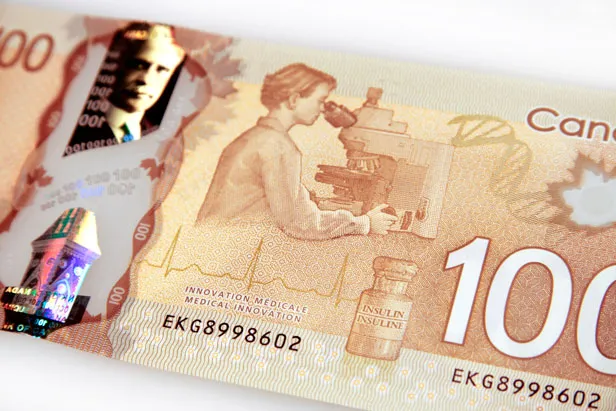
Technically, plastic money or polymer money are banknotes whose base material isn’t cotton or wood fiber, but rather polypropylene polymer (BOPP). Simply put? This is high-tech plastic money.
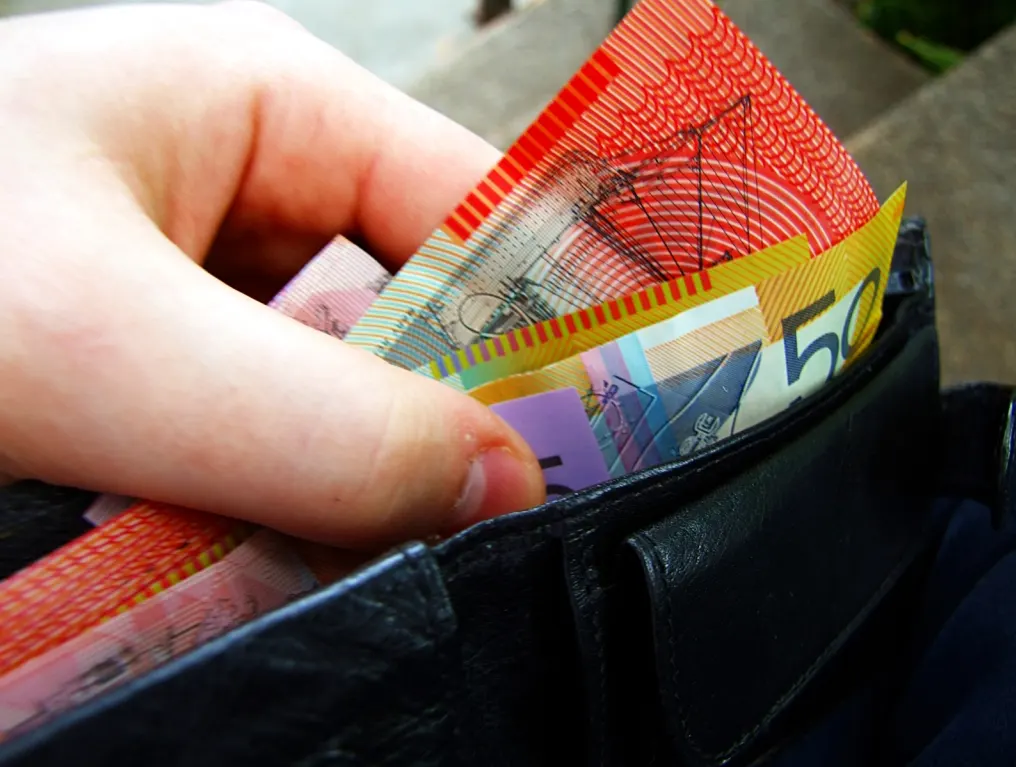
Australia was the pioneer that started this trend in 1988. Now, countries like the UK, Canada, and even our neighbors Malaysia and Vietnam are using it. Indonesia? We’ve already had several polymer denominations too, you know—like the Rp100,000 (old edition) and the Rp75,000 bill that went viral!
Why Plastic Money? Here Are 4 Genius Reasons!
Why would central banks all over the world bother changing materials? Is it just to show off? Of course not. There are smart reasons behind it:
-
Plastic Money Has “Superhuman”
Durability Regular paper money’s arch-enemies are water, sweat, and tears. Meanwhile, plastic money is waterproof and almost impossible to rip with your bare hands. It can last 2.5 times longer than regular paper money. So, countries don’t have to keep printing new money constantly. Budget-friendly, right?
-
More Hygienic (Bye-Bye Germs!)
Did you know that paper money is one of the dirtiest nests for bacteria in the world? Because the fibers are porous, germs love hanging out there. On the other hand, polymer money has a flat, non-porous surface. Germs find it hard to stick, and if it gets dirty, you can just wipe it off!
-
Plastic Money: The God-Level Anti-Counterfeit
Counterfeiting plastic money is incredibly difficult. Because the material is plastic, central banks can include “transparent windows” that are crystal clear, complex security threads, and even color-shifting holographic images. Fraudsters? They’ll get an instant headache.
-
Eco-Friendly (Wait, How?)
You might be thinking, “Isn’t plastic bad for the environment?” Hold on. Because polymer money is much more durable, its production carbon footprint is actually lower than that of paper money which gets damaged quickly. Plus, worn-out polymer money can be recycled into other plastic products like flower pots or industrial pallets. Sustainable queen!
The Fun Side of Plastic Money
There’s a unique side to this money. Ever heard the rumor that the Canadian $100 bill smells like maple syrup? Although the central bank denied it, many citizens there swear their money has a sweet aroma. This is the fun part of plastic money—it provides a sensory experience that’s totally different from regular paper which smells like… well, old money.
Besides that, its smooth texture and usually more vibrant colors make our wallets look more modern and “expensive.” Who doesn’t love it when their wallet contents look aesthetic while splitting the bill at a cafe?
The Future of Money is Plastic Money, and the Future of Currency Exchange is at PAM Money Changer Kuta!
The world keeps changing, and the way we hold our wealth is evolving too. Even though we are entering the cashless era with QRIS and e-wallets, the existence of physical money won’t just vanish. And in this competition, plastic money clearly wins the gold medal in terms of security, durability, and cleanliness.
Now, whatever the material or the currency, when it comes to foreign exchange transactions that are easy, trusted, and offer competitive rates, leave it to PAM Money Changer – Money Changer Kuta!
PAM Money Changer is a Money Exchange Kuta that has stood as a officially licensed PVA (Foreign Currency Exchange) since 2003. PAM Money Changer as Money Changer Kuta, Bali guarantees trusted, transparent credibility of rates, and of course, competitive rates with no hidden fees.
Don’t forget, before deciding to exchange your money, make sure you always monitor our latest rates. You can monitor all exchange rates anytime and anywhere, up to date and live on our official website.
Contact PAM Money Changer – Money Changer Bali now for more information regarding today’s rate updates, service areas, and ordering procedures!
Read also:


