

Cash vs Non Cash transactions which is do you prefer? Hello, financial-savvy millennials and Gen Z! Do you still enjoy carrying a thick wallet full of receipts, or have you switched to the “phone only” team to buy your favorite snacks?
In this fast-paced era, the debate between cash vs non cash transactions is never-ending. Especially since Bank Indonesia (BI) recently issued new regulations that make us stay updated on how we pay for things. Curious about what has changed and how it affects our wallets? Let’s break it down together!
Cash vs Non Cash Transactions: Who is the Winner?
 In the past, there was the term “Cash is King.” If you didn’t have physical money in hand, it felt like something was missing. But now? It seems that throne is starting to wobble. On one hand, non-cash transactions (such as QRIS, debit/credit cards, and e-wallets) offer incredible speed. No need to wait for candy as change, and all transaction history is neatly recorded in the app.
However, that doesn’t mean cash is being left behind. Based on data from Bank Indonesia, cash still plays a crucial role in areas where internet access isn’t as fast as in SCBD. So, in the duel of cash vs non cash transactions, the answer isn’t about which one is better, but which one fits your situation better.
Cash vs Non Cash Transactions: Why Did BI Create New Rules?
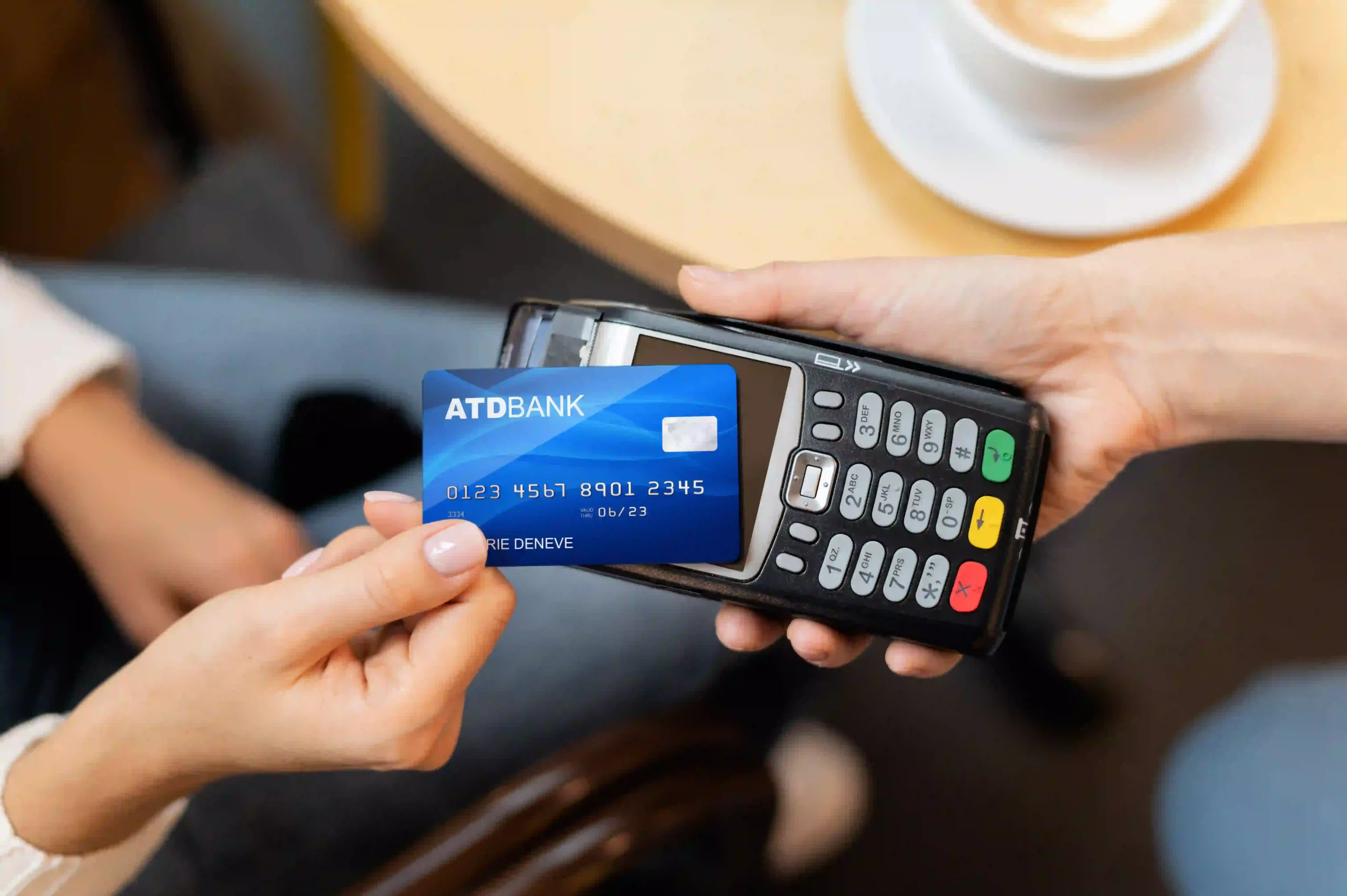 Maybe you heard the viral news about a bakery outlet refusing cash payments. Well, this is where Bank Indonesia stepped in. Through the latest policy (as stated in PBI No. 10 of 2024 and the strengthening of the Currency Law), BI emphasizes that the Rupiah is a legal tender that must not be rejected within the territory of the Republic of Indonesia, whether in cash or non-cash form.
This means, even though BI is aggressively promoting digitalization for a more modern indonesia economy, merchants still cannot refuse if you want to pay with banknotes. BI wants to create an inclusive payment ecosystem where the most digital-savvy can use QRIS, and our parents in rural areas can still shop using change.
Impact on the Indonesia Economy

Digitalization isn’t just about showing off using a smartwatch to pay for coffee. Macroeconomically, the shift to non-cash greatly helps the country’s financial transparency. The more transactions are recorded, the healthier the indonesia economy becomes because the circulation of money is more efficient and the risk of counterfeit money is minimized.
However, BI is also aware of our geographical challenges. That’s why this new regulation is designed to balance both. BI continues to ensure the availability of fit-for-circulation money to the remote corners of the country while continuing to expand the cross-border QRIS network. Cool, right?
The Overseas Shopper: Let’s Check the Rate!
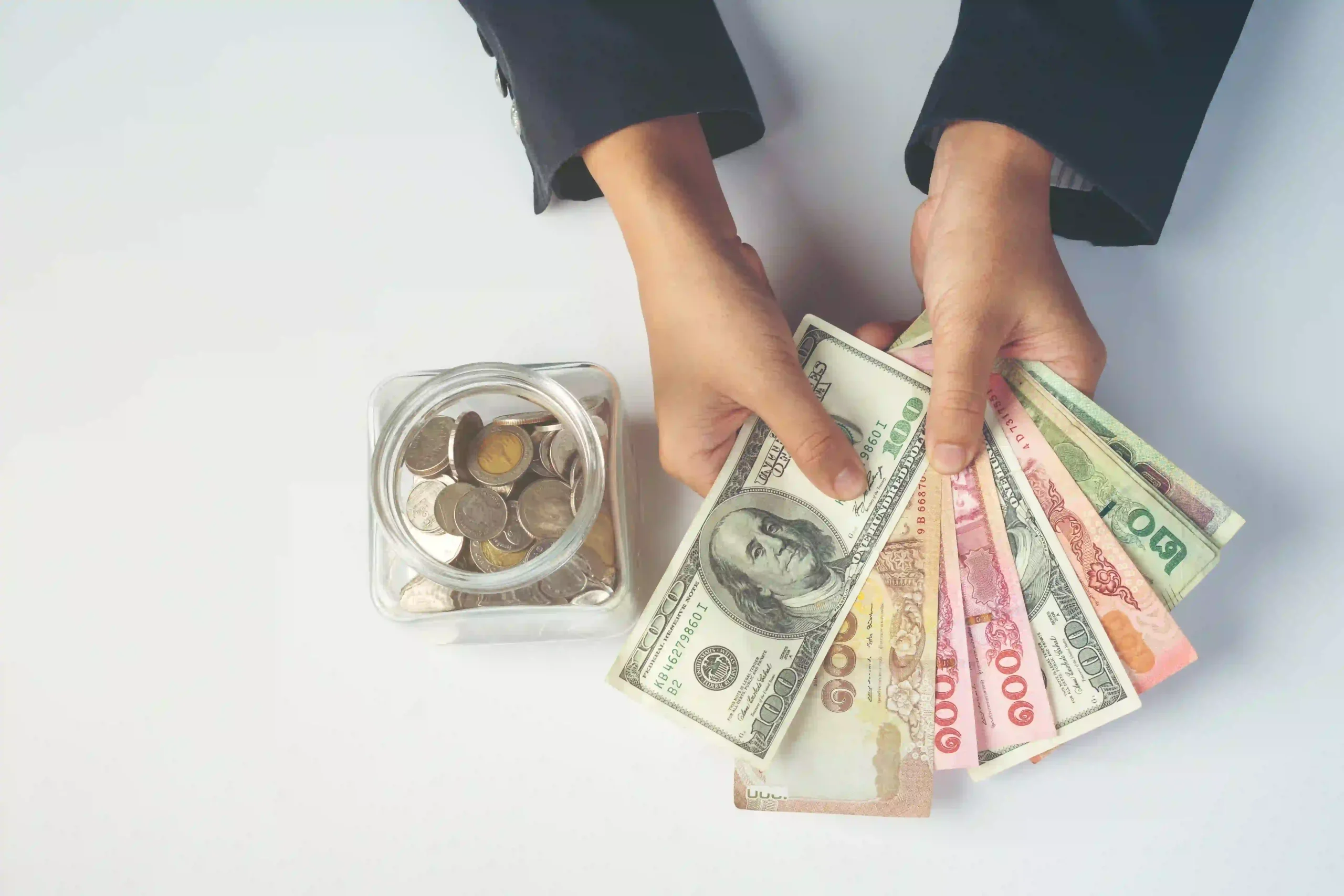 For those of you who love shopping at international marketplaces or are planning a holiday abroad, you must frequently monitor currency movements. Well, don’t forget to always check the Dollar to Rupiah today before checking out your “yellow basket.”
This exchange rate fluctuation is very important, you know. For example, as of early 2026, the exchange rate is around the Rp16,700 range. If you need an exact calculation, you can directly Convert Dollar to Rupiah through the official Bank Indonesia website or your favorite banking app so you won’t be shocked when you see your credit card bill next month.
Smart Tip: Always monitor the BI middle rate if you want to conduct large transactions. This is the most accurate reference for seeing the Rupiah’s position against foreign currencies.
Benefits of Using Non-Cash in 2026
If asked why you should start getting used to non-cash, here are some reasons:
- Hygienic & Practical: No need to hold physical money that changes hands frequently.
- Abundant Promos: Who doesn’t love cashback or special discounts for QRIS users?
- Security: If a wallet is lost, the cash is gone. If a phone is lost (God forbid!), the e-wallet account can be immediately blocked.
- Financial Tracking: You can audit yourself. “Wait, why did I spend a million on boba this month?” Everything is recorded!
Cash vs Non Cash Transactions: Adaptation is Key
This new regulation from Bank Indonesia is actually good news for all of us. BI wants to ensure that every citizen has a choice. Whether you want to use a conventional style or a futuristic one, the important thing is that the transaction is safe, convenient, and uses Rupiah.
Now, whether it’s cash vs non cash transactions, when it comes to international currency exchange that is reliable, practical, easy, and fast, leave it to Money Changer Kuta: PAM Money Changer! PAM Money Changer is a Money Exchange Kuta, Bali that has been a licensed PVA since 2003, making its credibility trustworthy.
As a Money Changer Bali, PAM Money Changer has transparent and competitive rates, so you no longer need to worry about the risk of Rupiah-to-Dollar counterfeiting that is currently rampant in illegal places. You can also always monitor the rates up-to-date on the official PAM Money Changer website!
So, for all of you Indonesia Economy warriors, let’s start being wiser in managing finances. Whether using cash vs non cash transactions, make sure you keep your spending in check! And don’t forget, if you want to shop for imported goods, check the Convert Dollar to Rupiah first so your budget stays under control. Whatever the transaction method, be it cash vs non cash transactions, leave your foreign exchange matters to a trusted Money Changer Bali: PAM Money Changer!
Read also:
- Rupiah Redenomination & The Impact for Indonesia Economy
- Got Old Rupiah? Here The Guide How to Exchange It!
- Big vs Small Bills: Why Denomination Affects Your Exchange Rate


