

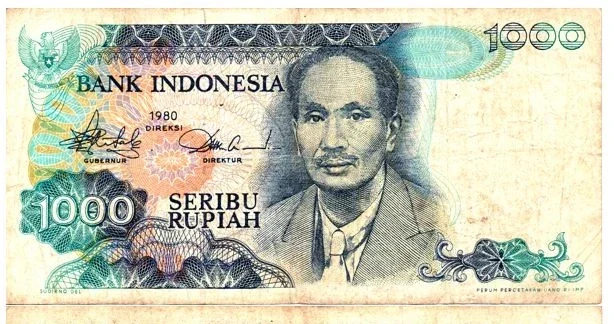
Across Indonesia, the rupiah has long been the backbone of everyday transactions. Maybe you’ve found some old rupiah notes tucked away in a forgotten wallet or collected during past travels around the country.
So, what should you do with them? Here’s everything you need to know about how to exchange old or withdrawn rupiah notes and make the most of their value.
1. Why Old Rupiah Notes Are Withdrawn
Over time, banknotes become worn out, damaged, or simply outdated. Bank Indonesia (BI) regularly issues new series of banknotes to replace older ones.
This helps maintain the integrity of the currency and supports smooth transactions in a growing economy. Withdrawals of older currency are also intended to minimize confusion and enhance security features to prevent counterfeiting.
2. Is Your Old Rupiah Note Still Valid?
The first thing you need to check is whether your old rupiah notes are still valid. Generally, even if a note is no longer in circulation, it can still be exchanged, provided it’s in reasonably good condition.
It’s important to understand the difference between notes that are simply outdated and those that have officially been withdrawn. Bank Indonesia regularly updates the public on which notes are still eligible for exchange, so be sure to stay informed.
3. How to Exchange Old Rupiah Notes at Bank Indonesia
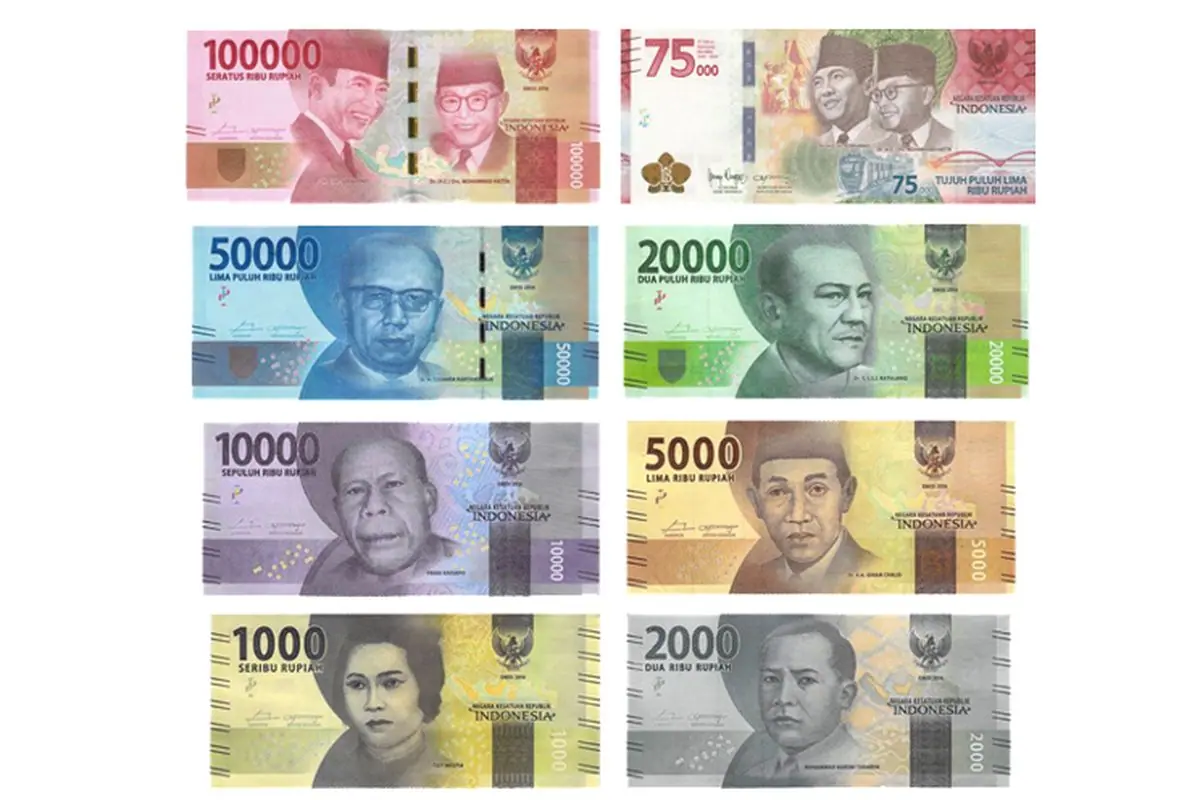
Wondering what to do with your old rupiah notes? The most straightforward option is to visit a branch of Bank Indonesia.
BI offers services to exchange old or withdrawn notes for new, valid currency—free of charge. All you need to do is bring the notes in person. If they meet the conditions, you’ll receive the equivalent value in new rupiah notes.
Keep in mind: Bank Indonesia does not accept heavily damaged or mutilated notes. There are specific guidelines for what qualifies as an acceptable note for exchange, so be sure to check those in advance.
4. What If Your Old Rupiah Notes Are Damaged?
If your notes are torn, burned, or otherwise damaged, don’t worry! Bank Indonesia also provides a special service for handling damaged currency.
If the damage is minor, the notes may still be accepted. However, for severely damaged notes, you may need to file a formal claim. Just bring them to a BI office, and they will assess the level of damage.
Depending on the condition, BI may issue full or partial compensation.
Read also: Can Damaged Money Be Exchanged at a Money Changer?
5. Watch Out for Counterfeit Rupiah Notes
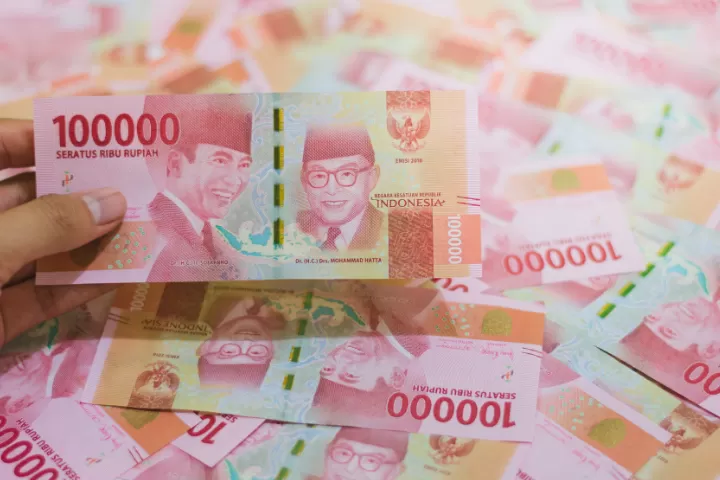
When exchanging old currency, especially outside of Bank Indonesia, it’s important to stay alert. Counterfeit rupiah notes occasionally appear in circulation.
If you’re using a private money exchange service, make sure it’s officially licensed and transparent in its operations to protect yourself from scams or counterfeit risks.
6. These 4 Rupiah Notes Are No Longer Legal Tender, Check Your Wallet!
Some denominations are no longer recognized as legal tender in Indonesia. Bank Indonesia has officially withdrawn these notes, and exchange deadlines were set for April 30, 2025.
Here’s the list:
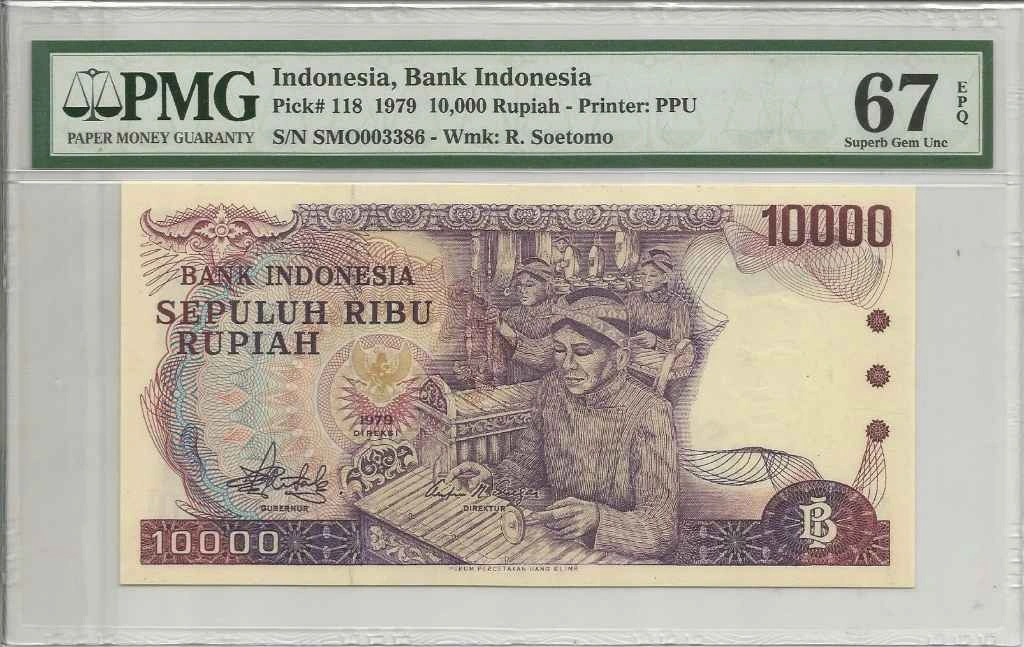
1. Rp10,000 (Issued in 1979)
-
- Withdrawal Date: May 1, 1992
- Exchange Deadline: April 30, 2025
- Key Design: Traditional Javanese Gamelan
2. Rp5,000 (Issued in 1980)
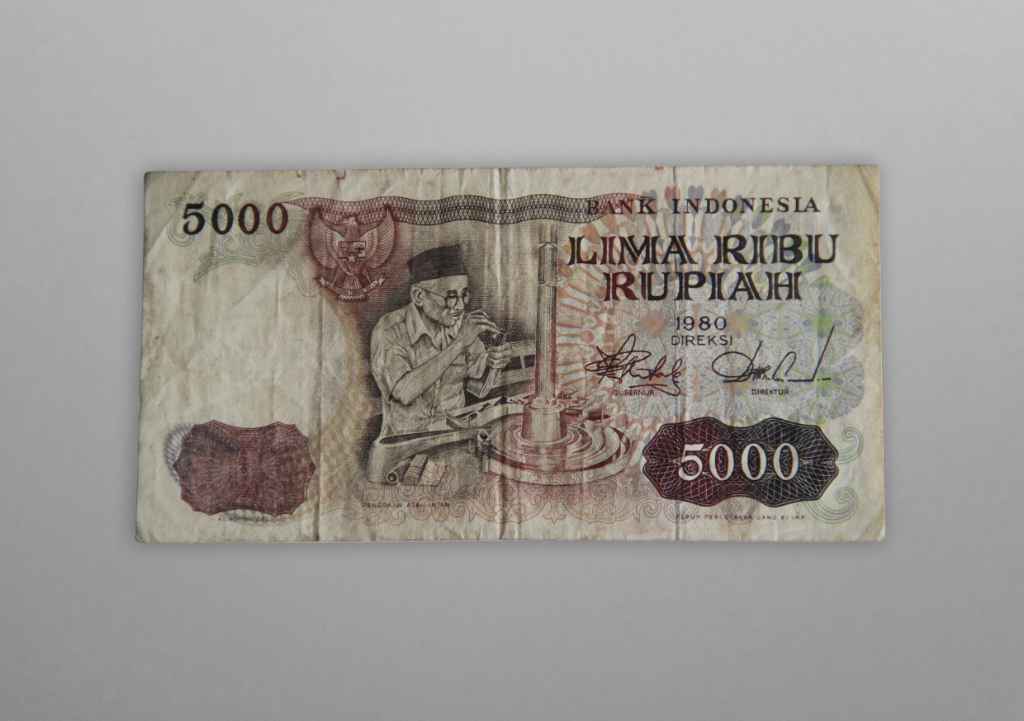
Source: https://hobikoe.com/
-
- Withdrawal Date: May 1, 1992
- Exchange Deadline: April 30, 2025
- Key Design: Diamond Polisher
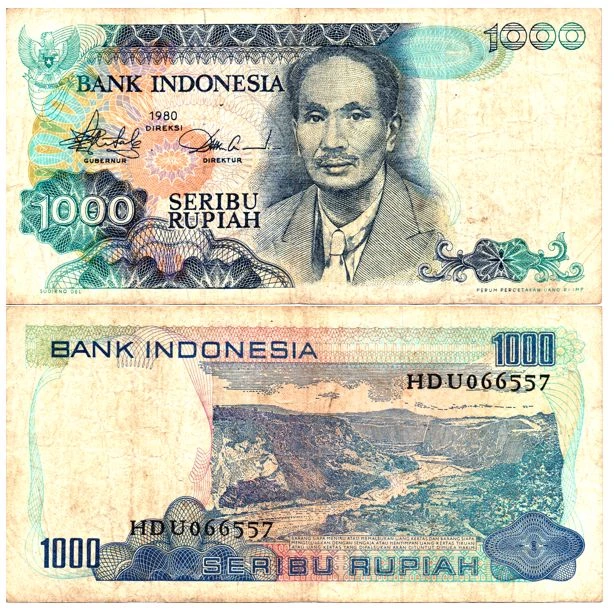
3. Rp1,000 (Issued in 1980)
-
- Withdrawal Date: May 1, 1992
- Exchange Deadline: April 30, 2025
- Key Design: Dr. Sutomo with watermark of Sultan Hasanuddin
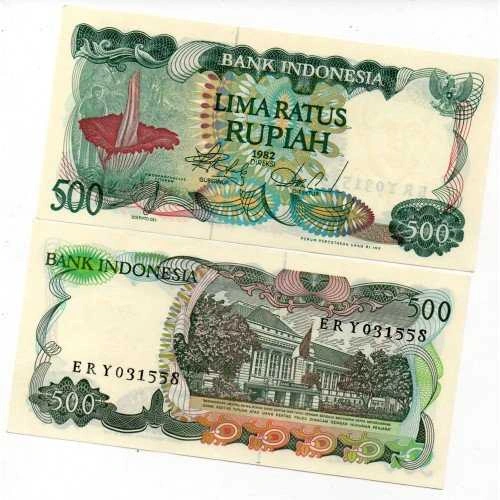
4. Rp500 (Issued in 1982)
-
- Withdrawal Date: May 1, 1992
- Exchange Deadline: April 30, 2025
- Key Design: Rafflesia flower (Amorphophallus Titanum) with watermark of General Achmad Yani
7. Don’t Let Your Old Rupiah Go to Waste, Exchange Them Now!
If you’ve got old rupiah lying around, don’t let them sit unused. Take them to Bank Indonesia while they’re still eligible for exchange and ensure your money retains its value.
For Foreign Currency Exchange, Trust the Experts at Money Exchange Kuta: PAM Money Changer
When it comes to exchanging foreign currencies, whether you’re converting to or from rupiah, trust the pros at Money Exchange Kuta: PAM Money Changer.
Operating since 2003, PAM Money Changer as Money Changer Kuta, Bali is a licensed and officially registered PVA money changer known for its transparency, reliability, and competitive rates.
PAM Money Changer as Money Changer Bali, has transparant and competitive rates. S you won’t need to worry about counterfeit risks, which are unfortunately common in illegal exchange spots. Want to stay updated on rates? You can monitor PAM’s exchange rates in real time through their official website!
Even better, PAM offers a delivery service so your exchanged money can be delivered to you anytime and anywhere! Convenience you’ll love.
So, don’t wait! Let’s get your old rupiah exchanged and for all your currency needs, stick with a trusted Money Changer Bali: PAM Money Changer.
Read More:
- Smart Tips for Booking Cheap Flights Like a Travel Pro
- 5 Indonesia Visa-Free Countries for Indonesian Passport!
- Are Coins Accepted at Money Changers? Find Out Here!
- Cash vs Credit Cards: Which is Better for Attending Kpop Concerts in Korea?
- The Impact of the Strongest Currencies of 2025 on Global Travel


