

This is the Animal Money History that you need to know! Have you ever just blanked out at the supermarket cashier, looking at your dwindling e-wallet balance, and then thought: “If only leaves or stones could be used to pay for groceries.” Well, the good news for your imagination is that people in the past had a much wilder way of determining the value of an item.
Before there was swiping debit cards or scanning QRIS, our ancestors were involved in a super unique scene of animal money history. Imagine a time when the contents of your wallet were not sheets of paper with pictures of heroes, but dolphin teeth or snail shells!
Let’s time travel for a moment to find out how these animals once became “sacred objects” that ruled the gears of the world economy.
1. Animal Money History: Cowrie Snail Shells, The Little One That Became the “Dollar” of Ancient Times
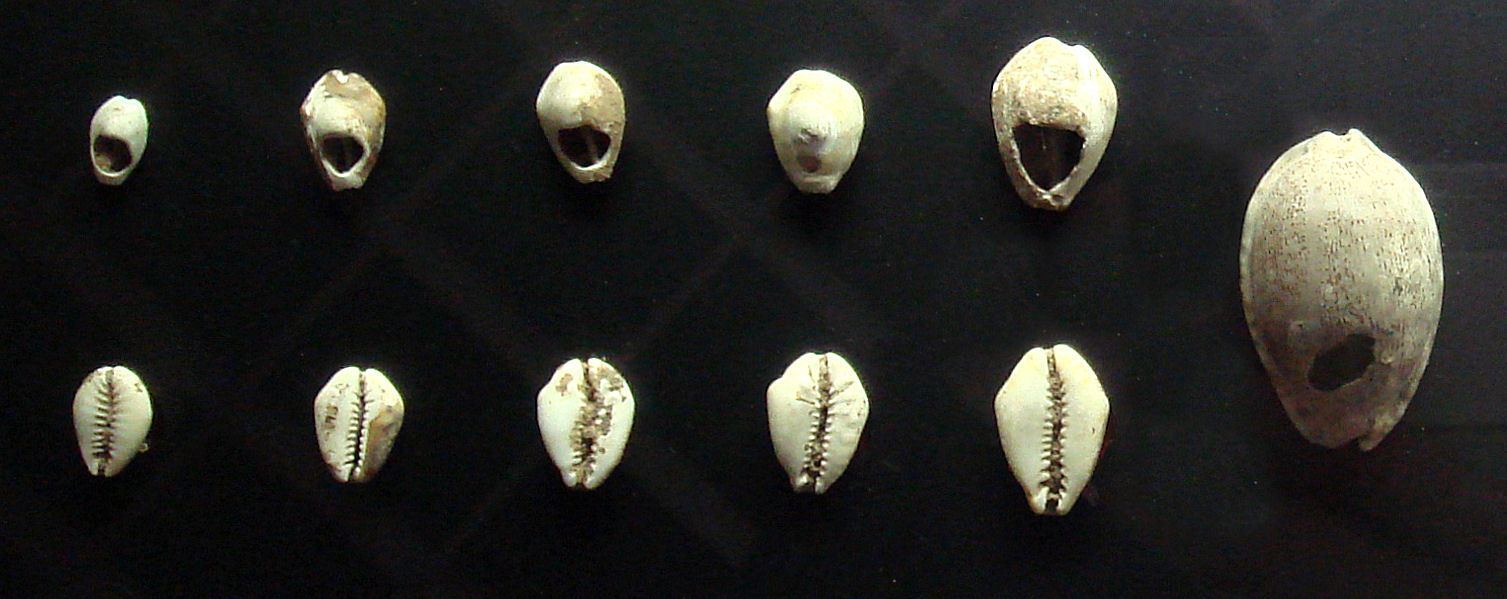
When talking about animal money history, we must first pay our respects to Cowrie shells (snail shells from the Cypraeidae family). Do not underestimate their small and cute shape, because these snail shells are one of the first and longest-lasting international currencies in the world!
From Africa, Asia, to the islands in the Pacific Ocean, cowrie shells were used to buy everything, from basic necessities to land.
Why snail shells?
- Hard to Counterfeit: Nature is the best designer. The texture, shine, and shape of cowrie shells were extremely hard for ancient humans to imitate.
- Durable: Unlike leaves that rot easily or gold that is heavy to carry around, snail shells are lightweight yet sturdy.
- Easy to Count: Their relatively uniform size made the transaction process as simple as counting per piece or per strand.
So, if you lived in China around the 13th century BC, having a bag full of these snail shells would already make you feel like a local crazy rich.
2. Animal Money History: Dolphin Teeth, The Premium Currency in the Solomon Islands
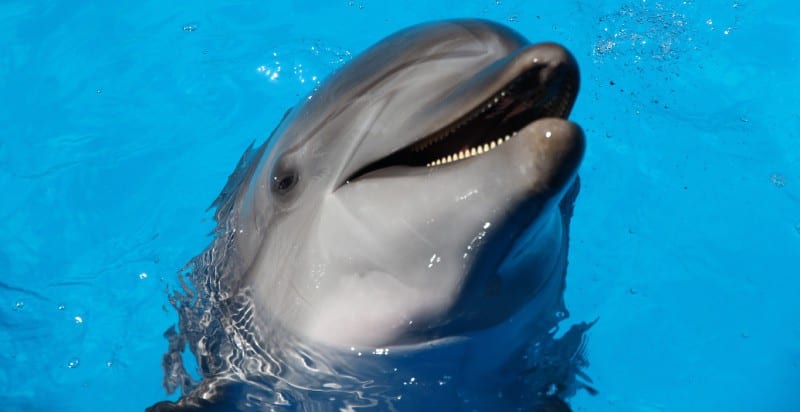
Shifting slightly to the Pacific area, precisely in Malaita, Solomon Islands. Here, animal money history records one of the most extreme and highly valued currencies: dolphin teeth.
For the local community, dolphin teeth were not just a medium of exchange, but also a prestigious symbol of social status. Its value even managed to outperform modern currency like the Solomon Dollar when local inflation occurred!
Fun Fact: These dolphin teeth were usually used for large transactions, like paying the bride price (dowry) or buying land. Lucky for us living in the present day, because imagine how troublesome it would be for ancient dolphin dentists if they knew their patients’ teeth were being fought over by the market.
3. Animal Money History: Squirrel Pelts to Bird Feathers, The Fashion Trend Countering the Economy
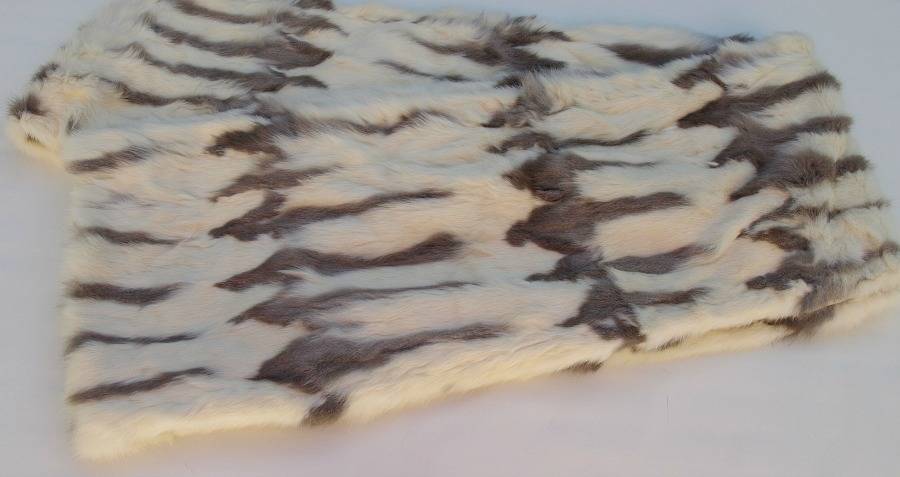
Not only parts of marine bodies, land and air fauna also took part in this history of animal money.
- Squirrel Pelts in Russia: In medieval Russia, squirrel pelts (and several other furry animals) were legal tender. In fact, because this system was so flexible, squirrel claws and ears could even be used for change or small transactions!
- Bird Feathers in Santa Cruz Island: Feather money made from the blood-red feathers of the Myzomela cardinalis bird was once a favorite. These feathers were attached to long coils and valued based on the brightness of their color. The brighter the red, the more expensive the price.
Why Did This “Animal Money” Finally Retire?
Even though this animal money history system sounds super fun and organic, an increasingly complex economy demanded practicality. There are several reasons why the world finally switched to precious metals and paper money:
| Retirement Reason | Brief Explanation |
| Scarcity & Ecological Issues | The exploitation of animals for currency threatened natural ecosystems. |
| Value Standardization | It was difficult to determine a fair value (e.g., does a large dolphin tooth have the same value as a small one?). |
| Long-Term Durability | Some animal commodities could get damaged, decay, or be attacked by pests over time. |
Now Check Your Money Collection, Maybe There is Animal Money History Tucked Away!
Learning about animal money history makes us realize that what we call “money” is actually just a matter of agreement and trust. As long as a group of humans agreed that snail shells or dolphin teeth were valuable, then it became a medium of exchange.
So, be grateful that now we only need to bring a thin card or a smartphone to buy our go-to coffee. Can you imagine if your wallet suddenly made a “click-clack” sound because it was completely filled with snail shells?
Well, whatever the uniqueness of the money you have, for matters of buying and selling transactions or exchanging foreign currency easily, reliably, and with competitive rates, just leave it to PAM Money Changer – Money Changer Kuta!
PAM Money Changer is a Money Exchange Kuta that has stood as a officially licensed PVA (Penukaran Valuta Asing) since 2003. PAM Money Changer, which is also the Best Rate Money Changer in Kuta, Bali, guarantees safe, transparent currency credibility, and of course competitive rates with no hidden fees.
Also, don’t forget, before deciding to exchange money, make sure you always monitor our latest rates. All exchange rates can always be monitored by you anytime and anywhere live up-to-date on our official website.
Easy, isn’t it? Always remember Money Changer Bali: PAM Money Changer as your best partner for foreign currency exchange needs! So, if you could choose one animal to be today’s digital currency, what animal would you choose? Drop your imagination in the comments section, okay!
Read also:


